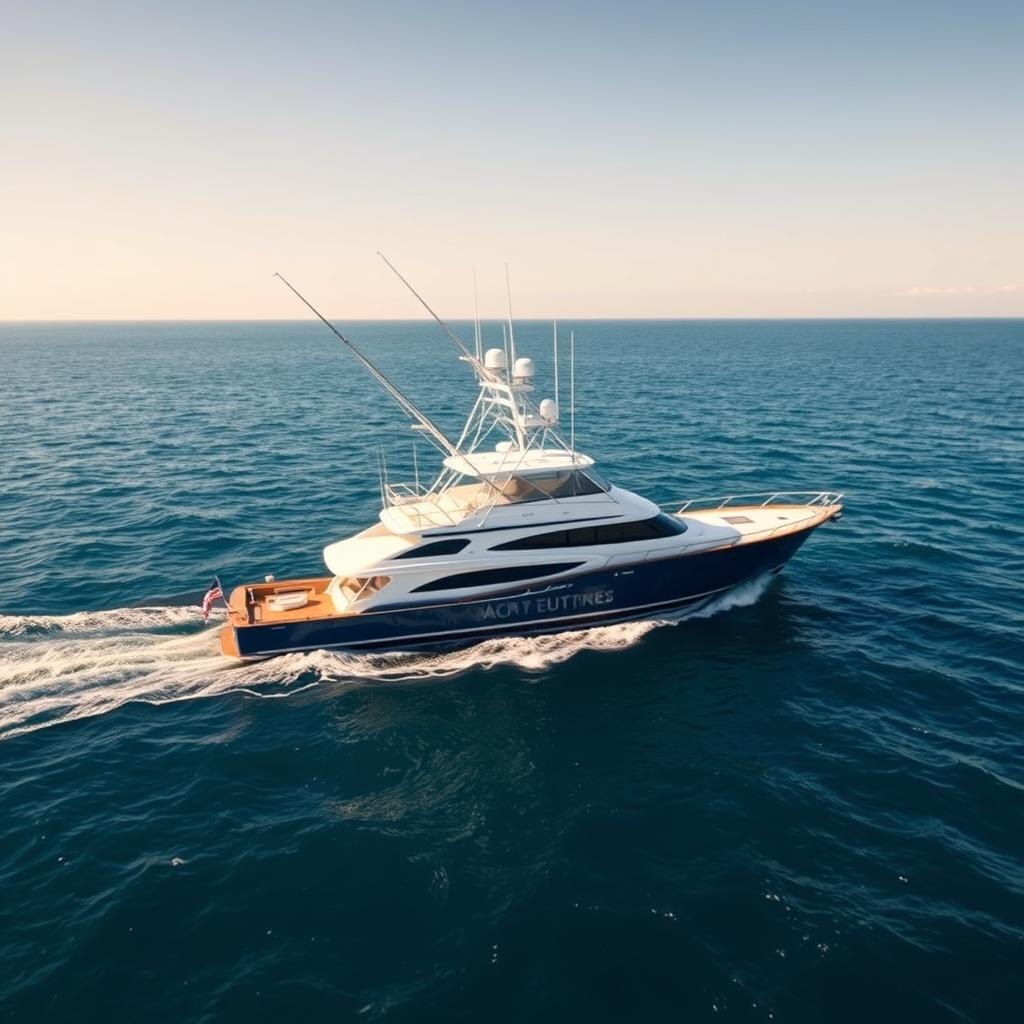
When you ask a marine underwriter to quote a charter boat, one of the first questions is whether it is a 6-pack or an inspected vessel. That single distinction — set by the U.S. Coast Guard and driven almost entirely by how many passengers you carry — shapes your license requirement, your compliance burden, and ultimately your premium. Understanding which category you fall into is the difference between an accurate quote and a coverage gap.
The Two USCG Vessel Categories
The Coast Guard divides small passenger-carrying vessels into two buckets:
- Uninspected "6-pack" vessel — carries a maximum of 6 paying passengers. It does not require a Certificate of Inspection. It is operated under an OUPV ("Operator of Uninspected Passenger Vessels," the "six-pack") license or a Master license.
- Inspected vessel (Subchapter T, or "T-boat") — carries 7 or more passengers. It requires a USCG Certificate of Inspection (COI), defined manning, mandated safety equipment, and a Master (Captain's) license appropriate to the vessel's tonnage and route.
The line is bright and it is federal: passenger number seven is the moment a 6-pack becomes an inspected vessel, with everything that entails.
Licensing: OUPV vs. Master
The credential follows the category. A 6-pack operator typically holds an OUPV license, while a 7+ passenger operation requires a graded Master license — Master 25/50/100-ton and upward, depending on the boat's tonnage. Route endorsements matter too: "Near Coastal" versus "Inland" changes how far offshore the captain is authorized to run, and underwriters read that endorsement against the navigation limits they will bind. A higher license grade and more documented sea time generally read as lower risk to a carrier.
Why the Certificate of Inspection Matters to Underwriters
An inspected vessel's COI is more than a compliance document — to an underwriter it is a data sheet. It states the vessel's permitted passenger capacity, required crew, and safety equipment, all verified by the Coast Guard. That gives the carrier a documented baseline of capacity and safety gear. A 6-pack has no COI, so the underwriter relies more heavily on the application, the captain's record, and any marine survey to understand the risk.
Passenger Count Drives the Premium
The reason these categories are rated so differently comes down to aggregate injury exposure. Each additional passenger is another person who can fall, take a hook, go overboard, or bring a claim under general maritime law. A 6-pack caps that exposure at six; an inspected head boat or party boat may carry 30, 50, or more passengers per trip. More passengers means more potential claimants from any single incident, so Passenger Legal Liability on an inspected vessel is priced well above a 6-pack — and inspected operations are also more likely to carry paid crew, adding Jones Act / USL&H exposure on top.
Navigation Limits and How Each Is Rated
Both categories are bound to defined navigation limits — the geographic waters and distance offshore where coverage applies (for example, "inland and coastal, not more than 75 nautical miles offshore," or a stated line in the Gulf). Operating outside those limits can void coverage for that loss, so insuring to your true fishing range matters regardless of category. In broad terms:
- A 6-pack is underwritten on captain experience, license grade, years on that water, vessel value and horsepower, navigation limits, and loss history.
- An inspected vessel is underwritten on all of that plus its COI capacity, manning, and crew payroll — which is why the indicative annual range for a Subchapter T head boat ($10,000–$40,000+) sits well above a typical offshore 6-pack sportfisher ($5,000–$15,000+).
The Bottom Line
The 6-pack-versus-inspected question is not paperwork trivia — it determines your license, your safety obligations, and the structure and cost of your insurance. Tell your agent your true passenger count, your license grade and route endorsement, and your real navigation range, and the program can be built correctly. Quote a 6-pack and then routinely run seven passengers, or insure for inland water and run 60 miles offshore, and you have built a gap that surfaces only when you file a claim.